Human Rights Office Issues 10 Guiding Principles to Enhance Children's Online Safety

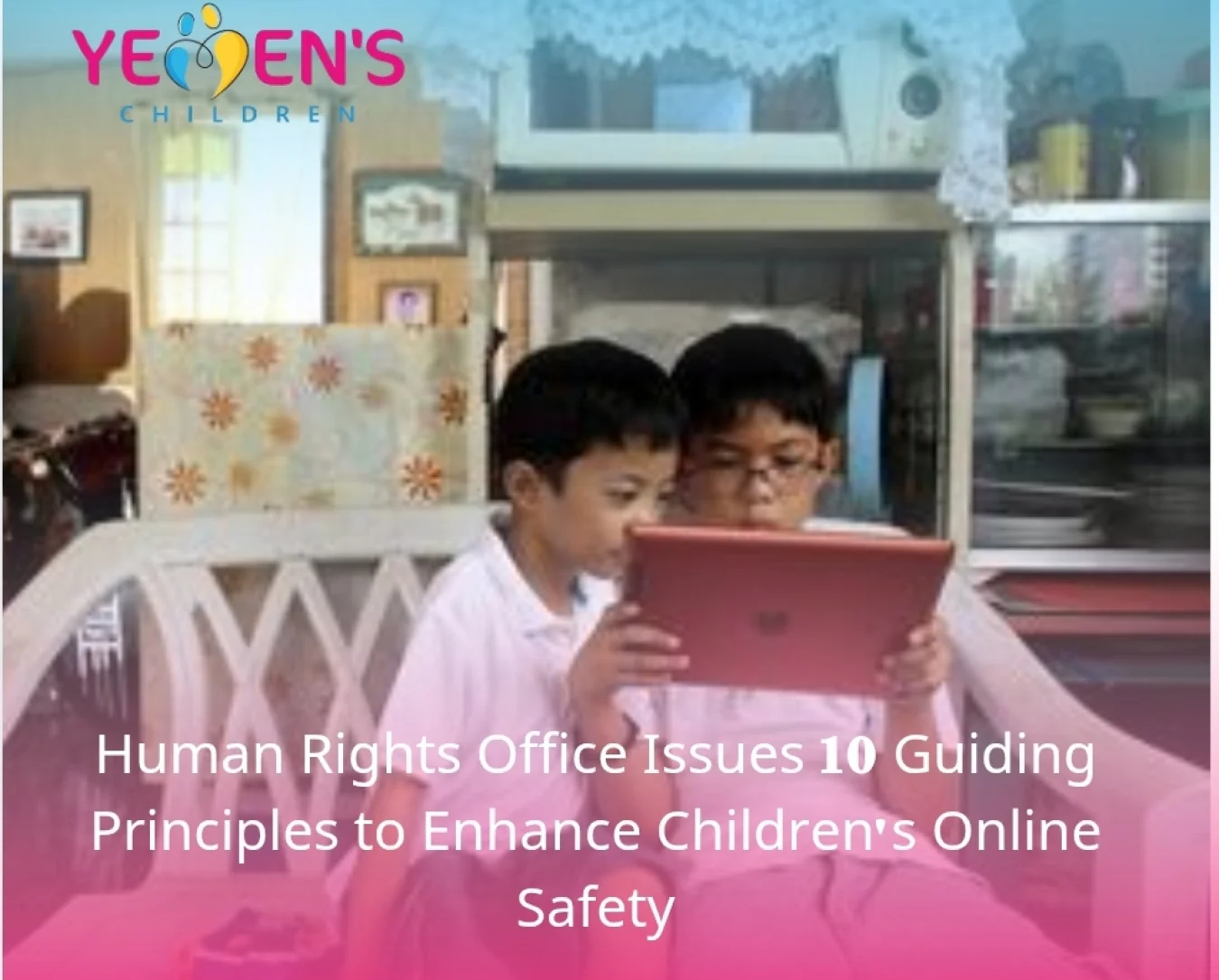
Human Rights Office Issues 10 Guiding Principles to Enhance Children's Online Safety
United Nations High Commissioner for Human Rights Volker Türk has called for stronger measures by both governments and technology companies to make online platforms safer for children, emphasizing the need for effective regulation, oversight, and accountability.
In a statement issued by his office on Friday, Türk said that while the digital world connects children to learning, community engagement, and creativity, it also exposes them to real risks that threaten their safety, privacy, and well-being.
He added: “The harms to children’s safety, privacy, and well-being online are neither inherent nor inevitable. They are the result of design choices and business practices that undermine safety, including addictive design features such as infinite scrolling, autoplay functions, and constant app notifications.”
To ensure that approaches to these complex issues are grounded in human rights, the UN Human Rights Office has issued 10 guiding principles aimed at enhancing children's online safety and protecting their rights, under the title: “Ensuring Children’s Safety Online: The Right Approach.”
Blanket Bans Are Not a Silver Bullet
The High Commissioner stressed that blanket bans on social media are not the sole solution to such a multifaceted issue.
“We need much broader action from both governments and companies to ensure that platforms themselves are safer by design, that data is protected, that those responsible for causing harm are held accountable, and that children’s rights and needs are fully respected at every stage,” he said.
Türk noted that regulations focusing exclusively on the age of individuals allowed to access certain digital tools and platforms may leave unchanged the design choices and algorithm-driven practices that make these platforms unsafe in the first place.
Avoiding Further Harm
The Human Rights Office pointed out that many countries are witnessing a growing number of proposals aimed at restricting children’s access to social media.
According to the Office, the guiding principles call for:
- Age-based restrictions on children’s access to specific services or content to be targeted at clearly identified harms.
- Additional measures to ensure effective regulation that avoids risks to human rights.
- The establishment of safeguards surrounding age-verification processes.
- Mandatory child-rights impact assessments.
- The involvement of children in shaping regulatory responses.
- Greater transparency, stronger oversight, and increased corporate accountability.
- Ensuring access to remedies for children whose rights have been violated.
The High Commissioner emphasized that “whatever regulations are adopted, it is essential to avoid inadvertently causing further harm.”
He cited age-verification systems as an example, noting that if implemented incorrectly, they may fail to achieve their intended purpose while also putting the privacy of both children and adults at risk.